
PMC FSCC highlights flexible learning and regional collaboration at SEARCA conference
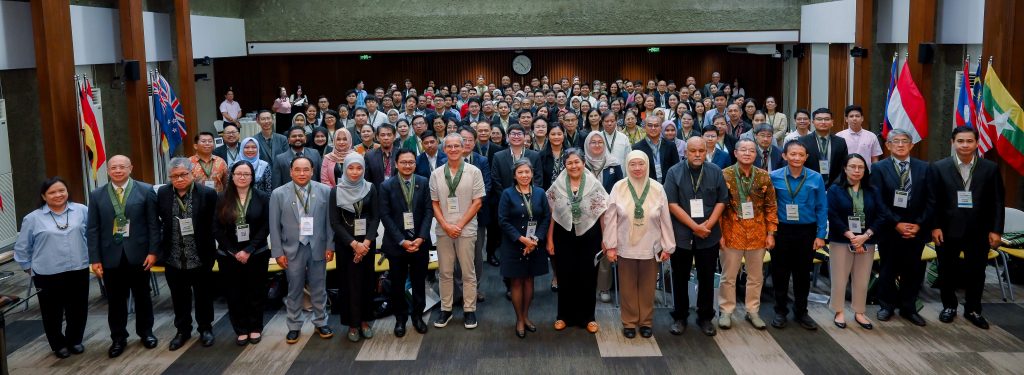
The ERASMUS+ co-funded Postgraduate Micro-credentials for Food Security and Climate Change (PMC FSCC) project highlighted how flexible learning can strengthen capacities to address food security and climate challenges through the 2026 Conference on SUSTAINing Southeast Asia’s Agricultural Futures, held on 19–20 October at the Southeast Asian Regional Center for Graduate Study and Research in Agriculture (SEARCA). The conference brought together university and regional education representatives to share experiences in developing, delivering, and recognizing micro-credentials. The conference also marked the start of SEARCA’s 60th anniversary celebration.
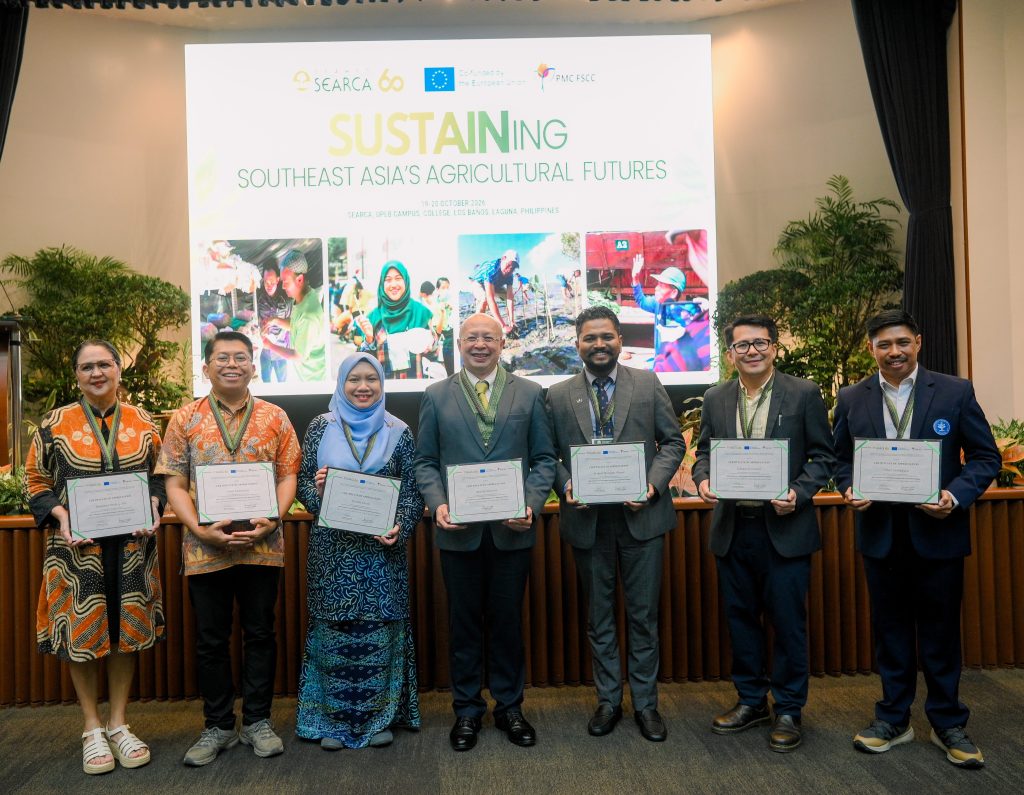
(L-R) Dr. Benjamina Paula G. Flor, Adjunct Professor, College of Development Communication, University of the Philippines Los Baños; Dr. Irwan Endrayanto, Head, Sub-Directorate of Academic Studies, Universitas Gadjah Mada; Assoc. Prof. Ts. Dr. Masnida Hussin, Deputy Director, Centre for Academic Development and Leadership Excellence, Universiti Putra Malaysia; Dr. Buncha Chinnasri, Associate Professor and Coordinator of the PMC FSCC Project, Kasetsart University; Dr. Prakash Murgeppa Bhuyar, Director of International Industry and Agriculture Innovation Research Center (IIAR), Maejo University; Dr. Edmund G. Centeno, Dean, College of Development Communication, University of the Philippines Los Baños; Dr. I Putu Santikayasa, Executive Director, Center for Climate Risk and Opportunity Management in Southeast Asia Pacific (CCROM – SEAP), IPB University
The session on “The Postgraduate Micro-credentials for Food Security and Climate Change” focused on the project’s experience in translating regional collaboration into short, focused learning opportunities. Dr. Buncha Chinnasri of Kasetsart University, Thailand, PMC FSCC Project Coordinator, explained how micro-credentials support upskilling and reskilling without requiring learners to commit immediately to a full degree program. He also discussed how these courses can contribute toward larger qualifications, subject to university policies.
Developed jointly by partner universities, the project’s five online modules cover food security and nutrition resilience amidst climate change, carbon neutrality for a sustainable food system, risk assessment, spatiotemporal analytics, and environmental leadership and communication. The modules respond to learning needs identified through consultations in Indonesia, Malaysia, the Philippines, and Thailand, connecting technical knowledge with management and communication skills.
Dr. Edmund G. Centeno and Dr. Benjamina Paula G. Flor of the University of the Philippines Los Baños (UPLB) examined the modules’ development and implementation using the Analyze, Design, Develop, Implement, and Evaluate (ADDIE) framework. Drawing on participation records and learner feedback, their presentation emphasized that completion rates should be considered alongside engagement, learning value, workplace application, and the professional and personal circumstances affecting learners’ participation.
Regional cooperation and recognition were central to the presentations of Dr. I Putu Santikayasa of IPB University and Dr. Irwan Endrayanto of Universitas Gadjah Mada, both in Indonesia. Dr. Santikayasa discussed how a community of practice can connect course developers, educators, quality assurance personnel, and learners through shared resources and continuing exchange. Dr. Endrayanto outlined a recognition approach based on clearly documented learning outcomes, study hours, qualification levels, assessment, and quality assurance, while respecting differences in national and university systems.
Assoc. Prof. Ts. Dr. Masnida Hussin of Universiti Putra Malaysia emphasized continuous monitoring, review, and evaluation to keep micro-credentials relevant and responsive to learners and industry. She highlighted the value of feedback from material developers, learners, and other stakeholders in improving course content and delivery.
Dr. Prakash Murgeppa Bhuyar of Maejo University, Thailand, shared the university’s experience in incorporating the five PMC FSCC modules into its International College curriculum as elective courses following University Council approval. He also identified practical priorities for continued delivery, including clear orientation, timely communication, monitoring learner progress, facilitator support, and transparent arrangements for certification and credit recognition.
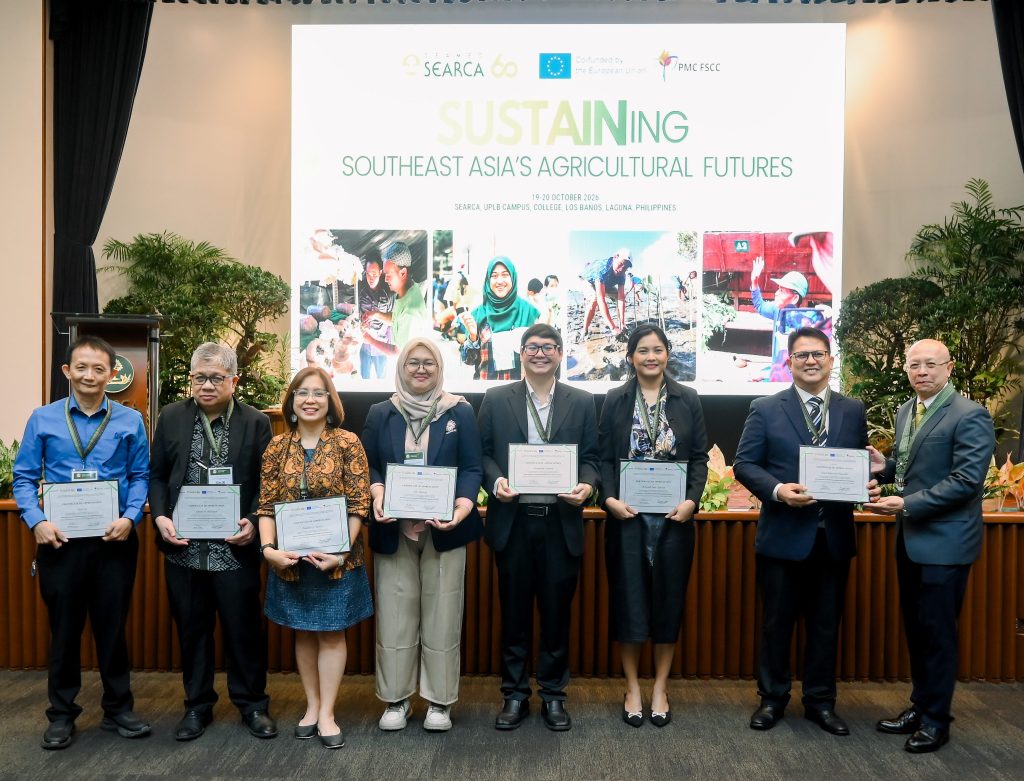
(L-R) Dr. Peter Sy, Vice President for Digital Transformation, University of the Philippines System; Dr. Dennis B. Batangan
Research Program Director and Research Scientist, Dr. Rosita G. Leong School of Social Sciences (RGLSOSS), Ateneo de Manila University; Dr. Finaflor F. Taylan, Dean, Faculty of Management and Development Studies, University of the Philippines Open University; Ms. Arie Susanty, Research & Development Division, SEAMEO Regional Open Learning Centre (SEAMOLEC); Mr. Panupong Sriudom, Executive Assistant Officer, (Programme Development), SEAMEO Regional Centre for Higher Education and Development (RIHED); Ms. Christelle Mae Agustin, Policy and Communications Officer, SEAMEO Regional Centre for Higher Education and Development (RIHED); Dr. Juan Robertino Macalde, Manager, Learning Development and Management Office, SEAMEO Regional Centre for Educational Innovation and Technology (INNOTECH)
The complementary session, “The Future of Learning: Innovations in Education and Micro-credentials in Southeast Asia,” situated these project experiences within wider efforts to expand flexible learning. Speakers from universities and centers of the Southeast Asian Ministers of Education Organization (SEAMEO) discussed how short learning opportunities can reach more learners and gain meaningful recognition.
Dr. Peter Sy of the University of the Philippines System presented efforts toward a national micro-credential consortium in the Philippines, emphasizing assessment, verification, and acceptance by institutions and employers. Dr. Dennis B. Batangan of Ateneo de Manila University shared experience from the MICROCASA project, which used a visual course design tool to support co-developing courses, with applications in community and public health education.
Dr. Finaflor F. Taylan of the University of the Philippines Open University stressed that flexible education requires attention to learners’ circumstances and community needs. She discussed open online courses, micro-credentials, and institutional capacity building as complementary ways to extend learning opportunities beyond conventional degree programs.
Ms. Arie Susanty of the SEAMEO Regional Open Learning Centre (SEAMOLEC) presented regional initiatives toward shared quality standards and cross-border verification. Mr. Panupong Sriudom and Ms. Christelle Mae Agustin of the SEAMEO Regional Centre for Higher Education and Development (RIHED) discussed a proposed common understanding of micro-credentials, highlighting industry recognition, stackability, portability, and validation. Dr. Juan Robertino Macalde of SEAMEO Regional Centre for Educational Innovation and Technology (INNOTECH) shared how partnerships with higher education institutions can connect professional development courses for educators with academic credit, subject to institutional policies.
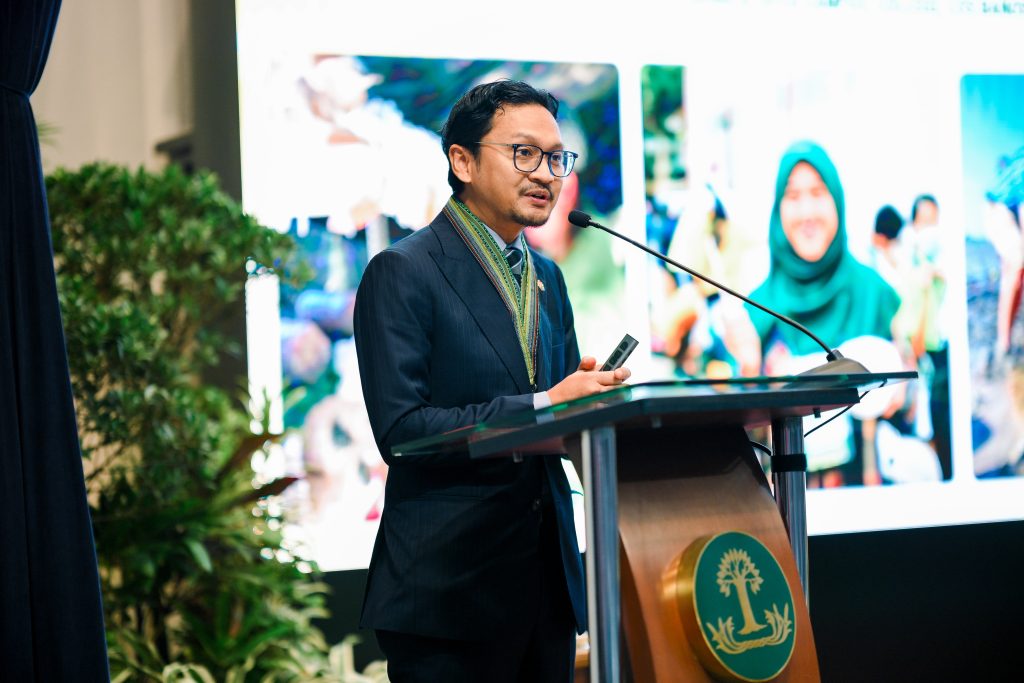
Prof. Dr. M. Iqbal Saripan, Deputy CEO (Quality Assurance), Malaysian Qualifications Agency
Reinforcing the sessions’ focus, keynote speaker Prof. Dr. M. Iqbal Saripan, Deputy Chief Executive Officer for Quality Assurance at the Malaysian Qualifications Agency, shared Malaysia’s experience with quality-assured micro-credentials and pathways that combine shorter learning units toward formal qualifications.
During the conference, speakers highlighted the institutional work needed to sustain flexible learning: maintaining relevant learning resources, supporting learners throughout their courses, and establishing clear quality assurance and recognition arrangements. The discussions placed PMC FSCC’s experience within a wider regional effort to make continuing education more accessible and responsive to food security and climate change challenges.


